

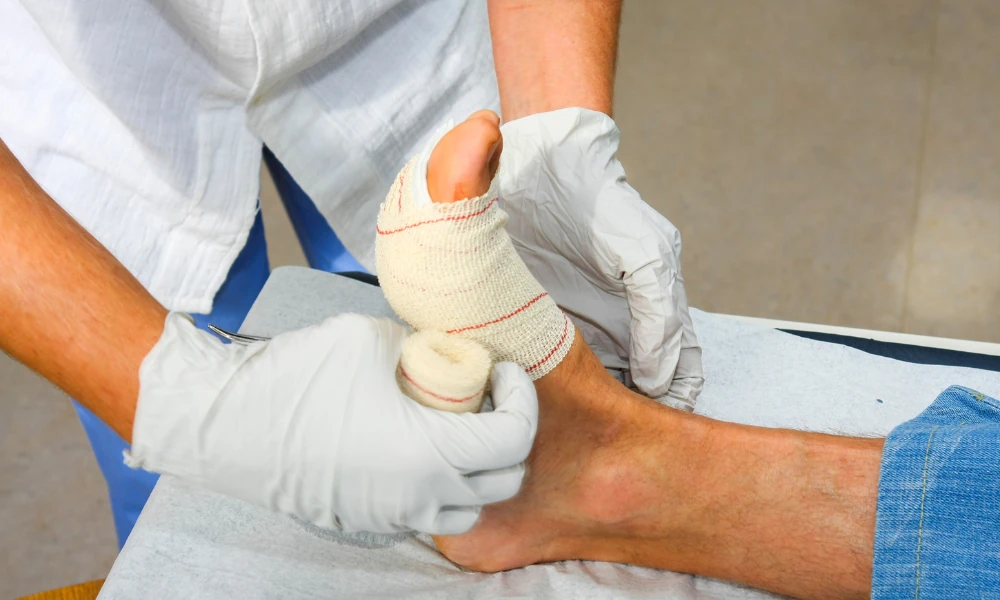
PAD happens when the artery becomes restricted. It reduces blood flow to the arms or legs. It happens when the arms and legs cannot get enough blood flow, which keeps up with demand. The leg feels pain while walking that is called claudication and other symptoms.
Peripheral artery disease is a sign of fatty deposits, which build up in the arteries called atherosclerosis. Many patients experiencing the disease found pad treatment san antonio as the solution via exercising and eating healthy foods. Regular physical activity is another effective way to prevent and treat PAD.
Understanding about PAD
Peripheral Arterial Disease in the legs or lower extremities blocks the vessels that carry the blood from the heart to the legs. Fatty plaque in the arteries is primarily caused by its buildup. PAD happens in any blood vessel. Yet, it is more common in:
- legs
- arms
PAD signs and symptoms
PAD has a classic symptom, which is pain in the legs with physical activity. It usually occurs when walking, but gets better after resting. However, some people with PAD never experience leg pain. The symptoms of pain, aches, or cramps with walking happen in:
- buttock
- hip
- thigh
- calf
The physical signs in the leg, indicating PAD, include:
- Muscle atrophy
- Smooth, shiny skin
- Hair loss
- Skin that is cool to the touch
- Decreased pulses in the feet
- Not healing sores in the:
- legs
- feet
- Cold or numb toes
Top warning signs of PAD
PAD is asymptomatic in its earliest stages. Claudication is the first common symptom people feel when the PAD advances. It is the medical term for:
- repetitive pain
- cramping
- heaviness in one or both legs
Those are caused by routine walking or exercise. The symptoms are the result of muscles failing to get enough:
- oxygen
- nutrients
It occurs during times of increased demand due to reduced blood supply. Claudication decreases one’s activity level. The symptoms grow more severe. It turns to limb-threatening as PAD advances. There are warning signs to watch for, such as:
- wounds
- ulcers
These are conditions on the feet that would not heal. It was a development of continuous pain or numbness.
Some symptoms are misleading.
For example:
Swollen legs are not a symptom of PAD.
Treatments for PAD
Conservative treatments include:
The treatments increase a person’s aerobic potential. People who experience claudication must walk 30 to 40 minutes daily. They can do the walking 5 days a week.
FAQs
How to diagnose PAD?
People who spot the warning signs of PAD must get a consultation. The patient prescribed an ankle brachial index test.
What does an ankle brachial index test for PAD?
An ankle brachial index test measures the blood pressure flowing in the arms and legs. It compares the ratio between the two.
Is there another test to find PAD?
Yes. Finding PAD is done through another test called arterial duplex. The technologist guides an ultrasound transducer on the leg to evaluate the blood flow in the arteries for narrowing or blockages.
