

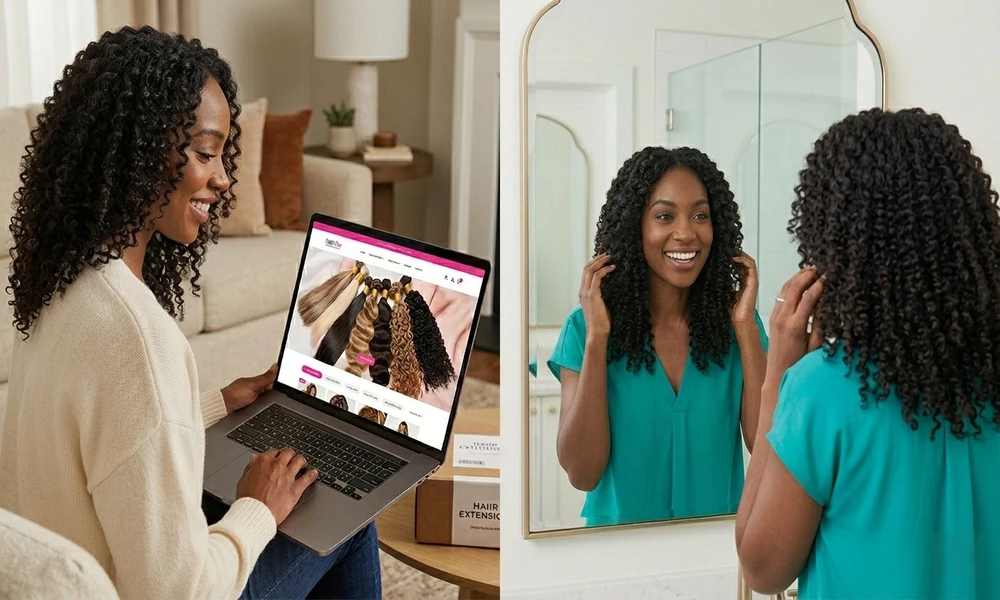
Shopping for hair extensions online should feel exciting, not stressful. Still, many Black women know the feeling of wondering if the texture will blend, if the bundles will look like the photos, or if the hair will last after washing and styling. Because textured hair is beautifully diverse, shoppers often need more guidance than a simple “straight,” “wavy,” or “curly” label. They want to understand luster, density, softness, curl pattern, and how the hair will work with natural strands, relaxed hair, or a protective style. That is where strong hair extension websites make a real difference. The best ones educate, compare, answer questions, and help customers feel sure before they buy.
Clear Product Details Make Online Shopping Less Confusing
Brands such as ONYC Hair show how helpful a trustedBest African American Hair Extensions Website can be when shoppers need more than a pretty product photo. Clear product pages should explain the texture, origin, finish, suggested uses, bundle fullness, and styling possibilities in simple language. When customers can see whether a texture is better for a blowout look, a sleek relaxed finish, or a fuller natural style, the buying decision feels easier.
Good websites also help shoppers understand what they are paying for. Instead of vague claims, they should explain whether the hair is virgin, raw, cuticle-aligned, reusable, heat-friendly, or suitable for coloring. This matters because many women are not buying hair for one event. They may want extensions that support everyday wear, work styling, vacation looks, and protective installs without losing their natural appearance too quickly.
Texture Guidance Helps Customers Choose a Better Match
For Black women, choosing hair online is often about blending first. A straight texture can still be too silky, a curly texture can be too shiny, and a kinky texture can look too coarse if it does not match the wearer’s goals. Helpful websites explain the difference between kinky straight, relaxed straight, deep curly, kinky curly, and other options so customers can picture how each one may look once installed.
Textured and natural hair shoppers also benefit from product education that explains movement, softness, volume, and curl behavior. For example, someone who loves full curls and a natural-looking finish may appreciate learning aboutONYC Burmese Curly Human Hair Bundles within a guide that explains how curly bundles can support defined, soft, and realistic styling. When a website teaches how a texture behaves instead of only naming it, the shopper can choose with more confidence.
Strong texture guidance may include:
- Photos of the hair in natural lighting
- Descriptions of luster, density, and curl definition
- Suggestions for leave-out, closures, frontals, wigs, or clip-ins
- Guidance for natural, relaxed, transitioning, or protective styles
Real Photos and Reviews Build Trust Before Checkout
One of the biggest concerns with buying hair online is whether the product will look the same in person. Studio photos are useful, but real customer photos, video clips, and before-and-after styling examples give shoppers a clearer idea of what to expect. Seeing the hair on different women, in different lengths, and with different installs helps reduce uncertainty.
Reviews are just as important. A detailed review can answer questions a product description may not fully cover, such as whether the bundles shed, how the texture behaves after washing, how long the hair lasts, or whether the curl pattern stays soft. Trust also grows when shipping timelines, return policies, exchange options, and customer support contacts are easy to find.
Educational Content Supports Different Lifestyles and Styling Goals
The best hair extension websites understand that every customer is not shopping for the same reason. One woman may want clip-ins for quick volume during the week, while another may need bundles for a long-term sew-in. Someone else may be preparing for a cruise, destination wedding, business trip, or low-maintenance protective style. A helpful site speaks to those real-life needs.
Educational guides, FAQs, and styling tips can help customers compare options without feeling overwhelmed. A shopper may need to know whether clip-ins are better than a sew-in for her schedule, whether a frontal gives more styling freedom, or whether a closure may be easier to maintain. These details make the website feel like a guide, not just a store.
A strong website may help customers decide based on questions like:
- Do I want daily styling flexibility or a longer install?
- Do I need hair that blends with a blowout or a curl pattern?
- Will I be swimming, traveling, working out, or wearing the style every day?
- Do I prefer low-maintenance hair or more styling versatility?
The Bottom Line
When a hair extension website is built with care, it helps shoppers feel supported from the first click to the final checkout. Clear descriptions, realistic photos, customer reviews, comparison guides, and care instructions all work together to remove doubt. This is especially important for Black women because the right hair choice is often about more than length. It is about texture, blending, confidence, comfort, and lifestyle.
Websites that educate and guide their customers create a better shopping experience. They help women choose extensions that look beautiful, feel natural, and match how they truly live. Whether someone wants a polished work style, soft vacation curls, a natural blowout look, or a protective install, the right online hair store should make the process feel easier, safer, and more personal.
