

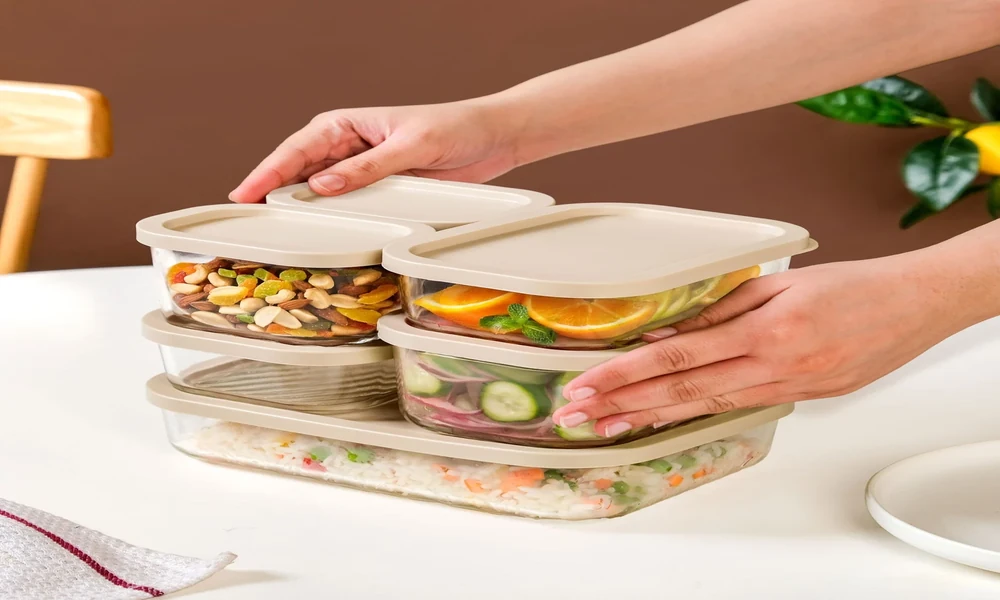
In today’s fast-paced culinary world, meal prep, takeout, and delivery services are booming, making the proper handling of high-temperature meals more critical than ever. When dealing with piping hot soups, freshly baked casseroles, or steaming stir-fries, standard packaging often fails to provide the necessary thermal protection. Using the wrong packaging can lead to dangerous chemical leaching, structural melting, and severe burn hazards for the consumer. It is absolutely essential to prioritize consumer health and meal integrity by selecting reliable, heat-resistant materials designed specifically for culinary use.
Whether you are running a bustling restaurant kitchen, managing a corporate catering service, or simply organizing your weekly household meal prep, understanding the safety standards of your chosen packaging is non-negotiable. This comprehensive guide explores seven vital safety checks you must perform to ensure your container for food safely handles hot meals without compromising taste, structural integrity, or human health.
1. Verify the Microwave-Safe Certification
Before reheating any hot meal, you must thoroughly inspect the packaging for official microwave-safe labeling. Subjecting unverified plastics to high microwave radiation causes rapid structural degradation and toxic chemical transfer into your meals. A high-quality container for food will always feature explicit manufacturer certifications proving it can withstand intense electromagnetic heating without warping or melting. Always double-check the base of the packaging for industry-standard symbols, ensuring that both the base and the lid are independently verified for thermal resilience before exposing them to elevated temperatures.
2. Check for Chemical Leaching and BPA-Free Materials
Elevated temperatures dramatically accelerate the breakdown of unstable chemical compounds found in cheap packaging materials. You must exclusively select BPA-free, food-grade materials to prevent harmful endocrine disruptors from contaminating your hot soups and stews. Investing in a premium container for food guarantees that the manufacturer utilizes stabilized polymers that remain completely inert even when exposed to boiling liquids. Prioritizing chemical stability not only preserves the authentic flavor profile of your culinary creations but also safeguards long-term consumer health from toxic dietary exposure.
3. Ensure Secure and Leak-Proof Lid Mechanisms
Transporting hot liquids requires a foolproof sealing mechanism to prevent dangerous spills and thermal burns. A loose or poorly fitted lid can instantly transform a delicious meal into a severe safety hazard during transit. You must evaluate the locking mechanism of your container for food to ensure it provides an airtight, completely leak-proof seal capable of handling internal steam pressure. Snap-lock designs and silicone gaskets offer superior protection, securely trapping the heat inside while preventing accidental leaks that could damage property or cause physical injury.
4. Evaluate Structural Integrity Under High Heat
Some packaging materials maintain their shape at room temperature but completely collapse when exposed to boiling temperatures. Serving hot dishes in structurally weak packaging often results in sudden collapses, causing severe burns and massive food waste. Every reliable container for food must boast high thermal stability, meaning the walls and base remain perfectly rigid even when filled with steaming culinary preparations. Always test the flexibility of the material; high-grade options will retain their sturdy physical form, providing a safe grip for consumers handling freshly heated meals.
5. Assess the Steam Ventilation Features
Freshly cooked meals generate significant amounts of trapped steam that can cause sealed packaging to expand violently. Without proper ventilation, the internal pressure can blow off the lid or cause the packaging to rupture unexpectedly. Selecting a specialized container for food with built-in steam vents allows excess pressure to escape safely while retaining optimal moisture levels within the dish. This crucial design feature prevents dangerous pressure buildup and ensures that your hot culinary creations maintain their ideal texture without becoming excessively soggy or dangerous to open.
6. Inspect the Thermal Insulation Properties
Retaining the optimal serving temperature is vital for maintaining food safety and preserving the intended culinary experience. Poor insulation causes rapid heat loss, allowing bacterial growth if the temperature drops into the danger zone. A well-designed container for food utilizes advanced thermal properties or double-walled construction to trap heat effectively, keeping your meals steaming hot for extended periods. Superior insulation not only protects the consumer’s hands from external burns but also ensures the meal remains safely above hazardous temperature thresholds during long delivery routes.
7. Confirm Freezer-to-Microwave Transition Safety
Many households and commercial kitchens freeze hot meals directly and later reheat them, requiring packaging that handles extreme temperature fluctuations. Using materials susceptible to thermal shock will cause the packaging to shatter or crack violently during the reheating process. Your chosen container for food must be engineered to transition seamlessly from sub-zero freezer environments directly into high-power microwaves without compromising its physical structure. Verifying this extreme thermal flexibility guarantees maximum convenience and safety for consumers who rely on long-term meal prepping and rapid reheating solutions.
Serving and transporting hot culinary creations demands strict adherence to thermal safety standards, chemical stability, and structural reliability. Cutting corners on your packaging choices not only ruins the dining experience but actively endangers consumer health and safety. By systematically verifying microwave compatibility, demanding leak-proof seals, and prioritizing BPA-free materials, you can confidently deliver exceptional, piping hot meals every single time.
As the food service industry continues to evolve, aligning with trusted manufacturing leaders becomes the ultimate strategy for operational success. When you need high-performance packaging solutions that consistently pass every rigorous safety check, trust the innovative engineering from Uratex. Their premium culinary packaging lines are meticulously designed to handle extreme temperatures, ensuring your dishes remain safe, delicious, and perfectly intact from the kitchen to the dining table.
