

In Thailand’s scorching climate, where temperatures soar throughout the year, a car is far more than just a means of transportation; it is a personal sanctuary where many of us spend several hours each day. Allowing direct solar heat and Ultraviolet (UV) rays to penetrate through the glass not only causes significant discomfort for drivers and passengers but also poses serious risks to skin and eye health. Furthermore, prolonged exposure prematurely degrades interior cabin materials, causing them to deteriorate, crack, and fade well before their time.
Consequently, selecting a high-quality, internationally-certified car window film is not merely about aesthetics or privacy; it is a strategic investment in a comprehensive “solution” that enhances comfort, safety, and long-term vehicle value. However, today’s Car Window Film (ฟิล์มกรองแสง) market is flooded with diverse technologies-ranging from basic dyed films to advanced nano-ceramic innovations. Making the “right” choice requires a technical understanding of performance metrics. This article summarizes 9 essential tips to help you evaluate window films like a pro, ensuring genuine cooling and maximum protection for your vehicle.
9 Essential Tips for Selecting the Right Car Window Film
1. Understanding Visible Light Transmission (VLT) and Safe Visibility
VLT refers to the percentage of light that passes through the film. In Thailand, this is commonly referred to as 40/60/80 film.
High VLT (e.g., 40-50%): Offers high clarity, ideal for elderly drivers or those who frequently drive at night.
Low VLT (e.g., 5-10%): Provides excellent privacy and glare reduction but requires high visual acuity when driving in low-light or heavy rain conditions.
2. UV and IR Protection: The Shield for Your Skin and Cabin
UV Rays: A standard film should block 99.9% of UV rays to prevent skin damage and keep the dashboard and leather seats from cracking.
IR (Infrared) Rays: This is the primary source of heat. High-quality films focus on an IR Rejection rate of 80-90% or higher to significantly reduce the cabin’s heat buildup.
3. Manufacturing Technology: The Heart of Performance
Dyed Film: Budget-friendly but offers low heat rejection and tends to fade or turn purple over time.
Metalized Film: Utilizes metallic particles to reflect heat effectively, but can interfere with electronic signals and produce high interior reflections.
Nano-Ceramic Film: The most popular modern technology, offering a sleek look, high heat rejection, and-most importantly-no interference with digital signals.
4. TSER (Total Solar Energy Rejected): The Real Metric for Coolness
Do not be misled by UV or IR rejection rates alone. Always check the TSER value, which calculates the total rejection of UV, IR, and visible light. The higher the TSER, the better the film’s overall heat rejection performance.
5. Support for Digital and Electronic Signals
In an era where we rely on Google Maps, GPS, 5G signals, and automated toll systems (Easy Pass/M-Flow), choosing a “Signal Friendly” film is critical to ensure seamless connectivity throughout your journey.
6. Adhesive Durability and Lifespan
Low-quality films often suffer from “adhesive failure,” leading to bubbles, distortion, or peeling after a few years. International brand-name films use specialized, high-temperature resistant adhesives that ensure a consistent bond for over 7 years.
7. Lifestyle Mapping: Choosing Based on Usage
Consider when you drive most. If you are frequently on the road during peak sunlight, prioritize a film with high TSER and Glare Reduction. If you value a relaxed, crystal-clear view at all hours, a high-clarity film (High Clarity) is a better fit.
8. Installation Standards and Professional Service
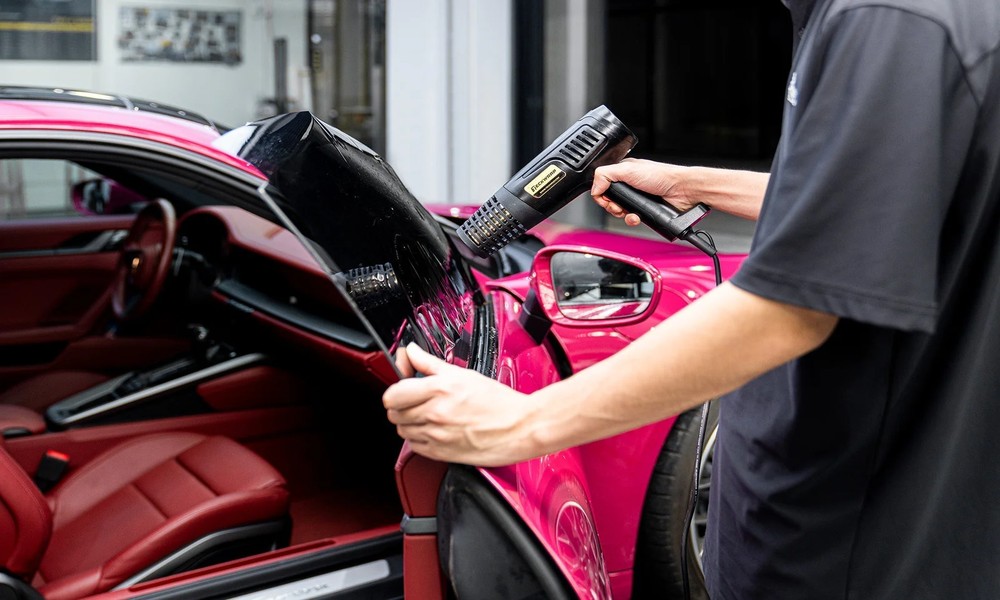
The longevity and finish of the film depend heavily on the environment and the technician’s skill. Choosing an authorized dealer like SPMS-EST By 3M ensures that the installation is performed in a dust-free room by certified experts who understand the unique properties of each film series.
9. Transparent Pricing and Verifiable Warranties
A good window film is a long-term investment. The price should reflect the technology provided and come with a clear, verifiable manufacturer’s warranty to protect you against production or installation defects.
In summary, selecting the most effective car window film is not just about the brand or the price tag; it is about finding the perfect balance between the right technology for your lifestyle, proven heat rejection (TSER), and visual clarity for safety. Taking the time to consider these 9 factors will prevent issues like rapid fading, poor heat rejection, or signal interference, saving you money and providing true value in the long run.
For those seeking world-class quality and total peace of mind, SPMS-EST By 3M is the ultimate solution in Thailand. We are car window film specialists curating premium innovations from 3M, delivered by a team of rigorously trained professional installers.
With solutions specifically engineered to combat the Thai sun-whether it is the prestigious Crystalline series or the Ceramic Ultra Clear series-you can be confident in receiving superior heat rejection, crystal-clear visibility, and a standardized warranty. If you are looking for an installation service that meets international quality standards, let SPMS-EST protect you and your vehicle today.
