

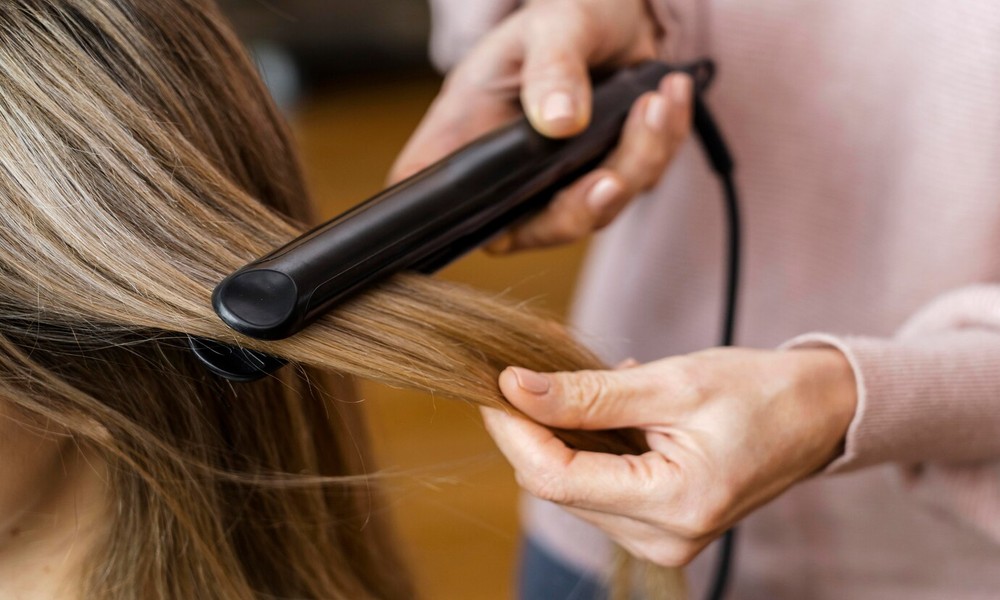
From the thrill of freshly straightened hair to the frustration when curls and waves creep back, the lifespan of hair straightening results is a story of science, skill, and daily habits. Whether you’re seeking glass-like sleekness or taming frizz for just a few weeks, the difference between a fleeting effect and enduring smoothness lies in the details behind the process.
Overview of Hair Straightening Techniques
Almost every method that promises straight hair can be sorted into two main categories: chemical straightening and heat-based techniques. Chemical options, such as relaxers and various smoothing treatments, work by altering the hair’s internal structure, essentially reshaping it at the molecular level. In contrast, heat-based solutions, like flat ironing or blowouts, temporarily adjust the outer layer of the hair strand, offering a reversible transformation.
The choice between these two matters. Chemical approaches typically deliver longer-lasting results, sometimes up to several months, while heat-based methods last until the next wash.
Professional Treatments Compared to At-Home Solutions
Salon-grade treatments tend to outlast DIY fixes for one simple reason: expertise. Licensed professionals use high-quality products and possess the skill to apply treatments precisely, ensuring more even and thorough results. At-home kits can be tempting for their convenience and price, but improper application may leave hair uneven, damaged, or with disappointing durability.
Key Factors Affecting Longevity
The secret to long-lasting straight hair starts with what you’re working with. Fine, limp hair will hold straightening differently than coarse, curly locks. Hair that is very porous or damaged might not retain the effect as long as healthy hair, since its cuticles are already compromised.
Just as pivotal is the quality of straightening products. Not all formulas are equal, and investing in advanced smoothing systems can make a noticeable difference. For example, a system like the ProAddiction professional hair smoothing treatment is designed to provide customizable and enduring results by combining cutting-edge ingredients with tailored application protocols.
Finally, even the best product can underperform if the application is rushed or uneven. In the hands of a skilled stylist, every section receives the right amount of product and heat, leading to consistency and fewer weak spots that revert prematurely.
Impact of Hair Care Practices Post-Treatment
How you treat your hair after straightening is just as important as the process itself. Maintenance routines can drastically influence how long the sleekness stays.
For chemical-based treatments, stylists often recommend sulfate-free shampoos and conditioners, which help preserve the effect without stripping hair. Heat-styled hair will benefit from gentle cleansing and avoiding heavy buildup from styling products.
Washing frequency plays a big role, too. The more you shampoo, the faster the straightened effect fades, especially for temporary methods. The type of water matters as well, hard water can reduce longevity by roughening up the cuticle.
If you reach for heat-styling tools post-treatment, moderation is crucial. Overuse can weaken hair, cause breakage, and shorten your straightening investment. When needed, always use thermal protectants.
Environmental and Lifestyle Considerations
No straightened style is immune to the whims of weather. High humidity can make freshly smoothed hair puff up or revert, especially in textured hair types. Wind, rain, and sudden temperature shifts are also culprits behind loss of sleekness.
Lifestyle can be a silent saboteur. Swimming in chlorinated pools, intense sweating from workouts, and even frequent sun exposure all chip away at straightening results, sometimes in unpredictable ways.
Comparative Analysis of Popular Straightening Systems
Today’s hair smoothing landscape features classic keratin treatments as well as newer, science-driven systems. Let’s see how they stack up:
| Treatment Type | Typical Longevity | Main Benefits | Potential Drawbacks |
|——————————-|——————|——————————|——————————-|
| Traditional Keratin | 2-4 months | Frizz reduction, shine | Formaldehyde exposure, fading |
| Modern Smoothing Systems | 3-6 months | Customizable, gentler | Cost, requires expertise |
| At-Home Heat Styling | 1-7 days | Accessibility, pricing | Short-lived, heat damage |
Modern systems often prioritize both longevity and hair health, though they may come with a higher price tag and require more meticulous care.
Troubleshooting and Extending Results
Frizz, patchiness, and rapid reversion are common complaints. These issues usually stem from improper product use, uneven application, or skipping aftercare guidelines.
A few ways to refresh and maintain your straightened look:
– Sleep on silk or satin pillowcases to reduce friction.
– Use leave-in conditioners formulated for straightened hair.
– Schedule touch-ups as recommended by your stylist for chemical methods.
Final Thoughts on Choosing the Right Approach for Longevity
The path to lasting straight hair isn’t just about picking the strongest formula. It’s a balancing act between your styling desires, hair health, and commitment to maintenance. For those serious about both performance and safety, booking a professional consultation makes a world of difference. In many cases, investing in a proven, salon-exclusive system like the ProAddiction professional hair smoothing treatment can deliver superior results tailored to your unique hair needs, saving you from the cycle of constant touch-ups and disappointment.
