

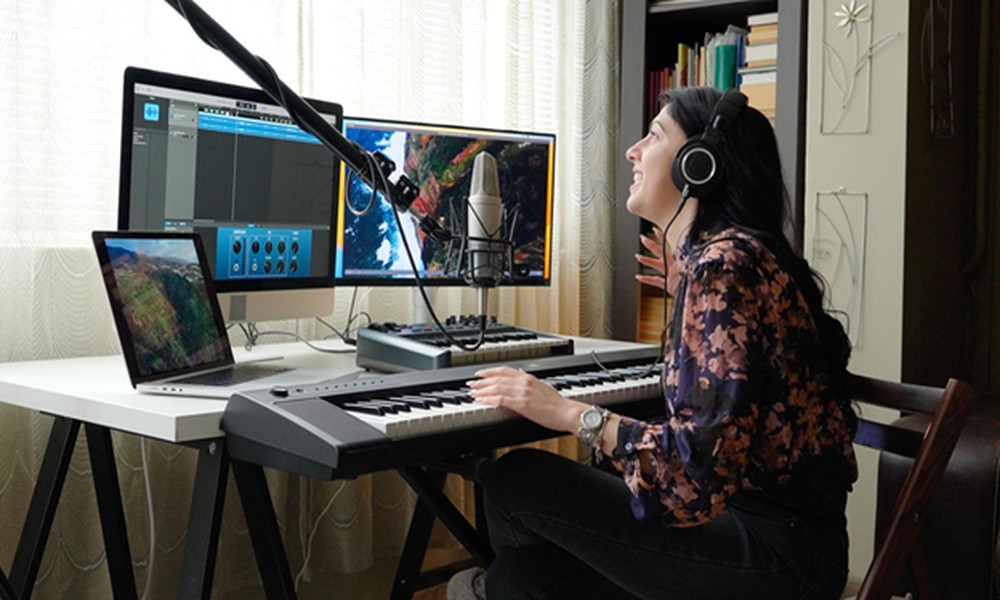
Every working electronic music producer started somewhere with a laptop on a desk, a pair of consumer headphones, a cracked copy of a DAW, and an overwhelming amount of enthusiasm. The bedroom studio is where countless careers begin, and there is nothing wrong with that origin story. But at some point, the gap between what you’re making and what you hear on the releases you admire becomes impossible to ignore. Bridging that gap is not just a matter of buying better gear or watching more tutorials, it requires a fundamental shift in how you approach the craft, the tools, and the industry itself. That shift is exactly what a dedicatedmusic program for electronic music producers is structured to accelerate. Here is an honest breakdown of what the leap from bedroom producer to release-ready artist actually requires.
Honest Assessment of Where You Actually Are
The first and most uncomfortable step is an accurate diagnosis. Most bedroom producers significantly overestimate the quality of their work not because they lack talent, but because they lack reference points. When your only feedback comes from friends, social media followers, and your own ears in an untreated room, it is nearly impossible to hear your music the way an A&R manager, a music supervisor, or a label curator hears it.
Release-ready work meets a specific technical and creative standard that exists independently of your feelings about the track. Before you can close the gap, you need to understand exactly how wide it is. That means seeking out brutally honest feedback from people with professional experience, comparing your work rigorously against industry reference tracks, and being willing to hear things you don’t want to hear.
Solving the Acoustic Problem
One of the most persistent and least glamorous obstacles for bedroom producers is the listening environment. An untreated room filled with parallel walls, hard surfaces, and no acoustic management doesn’t give you accurate information about your mix. Bass frequencies pile up in corners. Certain frequencies get absorbed unevenly. What sounds balanced in your bedroom sounds muddy, harsh, or thin everywhere else.
This is why so many bedroom productions that sound great at home fall apart on speakers in a club, a car, or a professional studio. Solving the acoustic problem doesn’t necessarily require an expensive studio build basic acoustic treatment, careful monitor placement, and learning to check your mixes on multiple playback systems goes a long way. But understanding why this matters, and developing the ear to hear its effects, is a prerequisite for producing work that translates across listening environments.
Closing the Technical Gap
Release-ready electronic music meets specific technical standards in terms of loudness, dynamic range, stereo width, frequency balance, and clarity. These are not arbitrary gatekeeping criteria they reflect what sounds good on professional playback systems and what streaming platforms and labels expect when they receive a submission.
Most bedroom producers have significant technical gaps in one or more of these areas. Common issues include low-end that is either too heavy or too thin, mixes that are too compressed and lack dynamic movement, stereo images that are either too narrow or artificially wide, and overall loudness levels that don’t meet streaming normalization targets.
Closing these gaps requires deliberate study of mixing and mastering principles, consistent practice across many projects, and regular comparison against professionally released music in your genre. It also requires learning to separate the creative process from the technical refinement process trying to mix while you write is one of the most common habits that holds bedroom producers back.
Developing a Consistent Creative Voice
Technical proficiency gets your music through the door. A distinctive creative voice is what makes anyone care once it’s inside. The electronic music landscape is saturated with technically competent productions that are creatively indistinguishable from each other. Release-ready doesn’t just mean polished it means identifiable.
Developing a consistent creative voice requires experimentation, volume of work, and honest reflection on what makes your best tracks different from your average ones. It means moving beyond the sounds and structures that feel safe and comfortable, and taking creative risks with enough regularity that your identity as a producer becomes clear to you first, and eventually to listeners.
Understanding the Professional Landscape
Bedroom producers often operate in a vacuum with no understanding of how the industry actually works how tracks get signed, how sync placements happen, how to approach labels and managers professionally, or what a release strategy looks like. This professional illiteracy is as much a barrier to a career as any technical shortcoming.
Release-ready artists understand the ecosystem they are entering. They know the difference between a distributor and a label. They understand basic publishing and royalty structures. They know how to present their music professionally, follow submission guidelines, and communicate with industry contacts without undermining their own credibility.
The Role of Structured Education
All of these gaps acoustic, technical, creative, and professional can be addressed through self-directed learning. But the honest reality is that self-directed learning is slow, inefficient, and heavily dependent on stumbling across the right information at the right time. Structured education compresses the timeline dramatically by providing expert feedback, peer accountability, professional studio environments, and industry connections that accelerate every dimension of development simultaneously.
The leap from bedroom producer to release-ready artist is real, but it is absolutely achievable. The producers who make it fastest are the ones who pursue their development with the same seriousness the industry demands from its professionals.
