

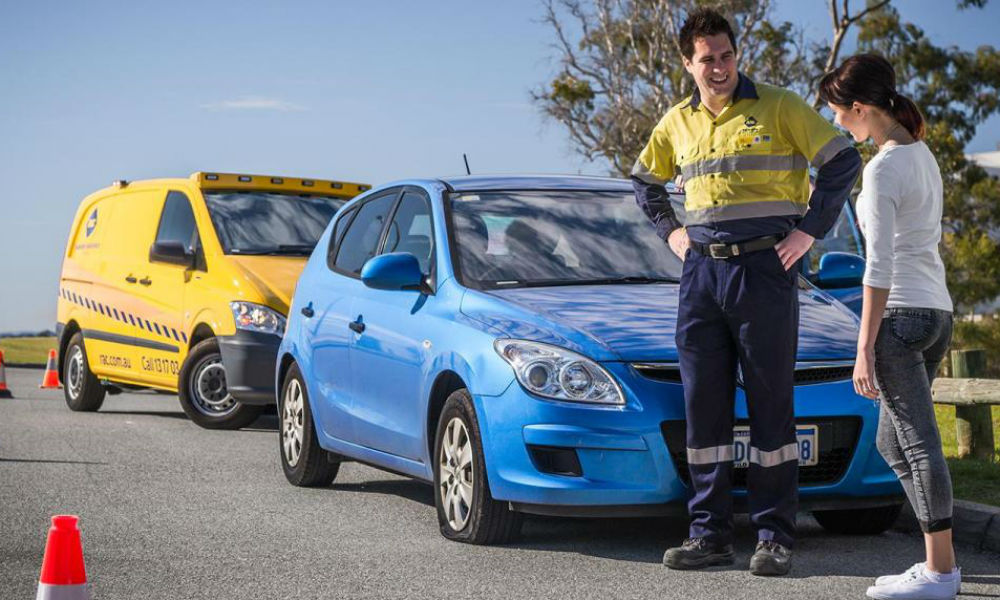
A breakdown can happen at the worst time—especially in busy traffic corridors like Rama 3, where road conditions and congestion make even a minor mechanical issue feel stressful. The best approach is to stay calm, prioritise safety, and follow a clear, step-by-step plan. If someone is searching If my car breaks down near Rama 3, what is the best thing to do? (รถสไลด์พระราม3, which is the term in Thai), the most crucial goal is to protect the driver, passengers, and other road users before worrying about the repair.
First, move the vehicle to the safest possible location. If the car is still rolling, gently steer toward the shoulder, a nearby service lane, or a safe pull-off area. Turn on hazard lights immediately to warn other drivers. If it’s safe to do so, place a warning triangle behind the vehicle at an appropriate distance so approaching traffic has time to react. In heavy traffic, visibility and reaction time matter, so anything that signals “stopped vehicle ahead” reduces risk.
Next, assess the situation quickly without taking unnecessary risks. If the vehicle is stopped in an unsafe spot—like a tight lane or curve—staying inside with seatbelts fastened may be safer than standing on the roadside. If the vehicle is safely off the main flow of traffic, passengers can exit carefully on the side away from moving cars and wait in a secure place. Avoid opening the hood if traffic is too close or if there is smoke or signs of fire.
Once the immediate danger is addressed, the next step is to contact assistance. Many drivers choose roadside assistance, towing, or insurance-linked help depending on their coverage. A practical resource for guidance and next steps is If my car breaks down near Rama 3, what is the best thing to do?, especially for understanding how insurance support may apply in a roadside event. When calling for help, sharing a precise location is crucial—nearby landmarks, a map pin, a road marker, or the closest exit helps the tow truck arrive faster.
While waiting, it helps to document the issue. Taking photos of the dashboard warning lights, the car’s position, and any visible damage can be helpful for insurance claims or repair shops. Drivers should also avoid “guess repairs” on the shoulder unless they’re safe and straightforward, such as confirming a loose battery terminal or swapping a tyre in a protected area. If the car overheats, it’s best to let it cool and avoid opening the radiator cap.
To reduce future breakdown risk, drivers can keep a basic emergency kit, maintain regular servicing, and watch for early warning signs like unusual noises, diminished power, or recurring warning lights. If a breakdown does happen, following the proper safety-first sequence—and using guidance like “If my car breaks down near Rama 3, what is the best thing to do?”—helps make an inconvenient moment far less dangerous and easier to resolve.
